guide
Ruby, Sapphire, or Tanzanite? How to Choose Your First Natural Gemstone Ring
A practical buying guide for choosing your first natural gemstone ring, with real Halo Jewelry examples in ruby, sapphire, tanzanite, and emerald.
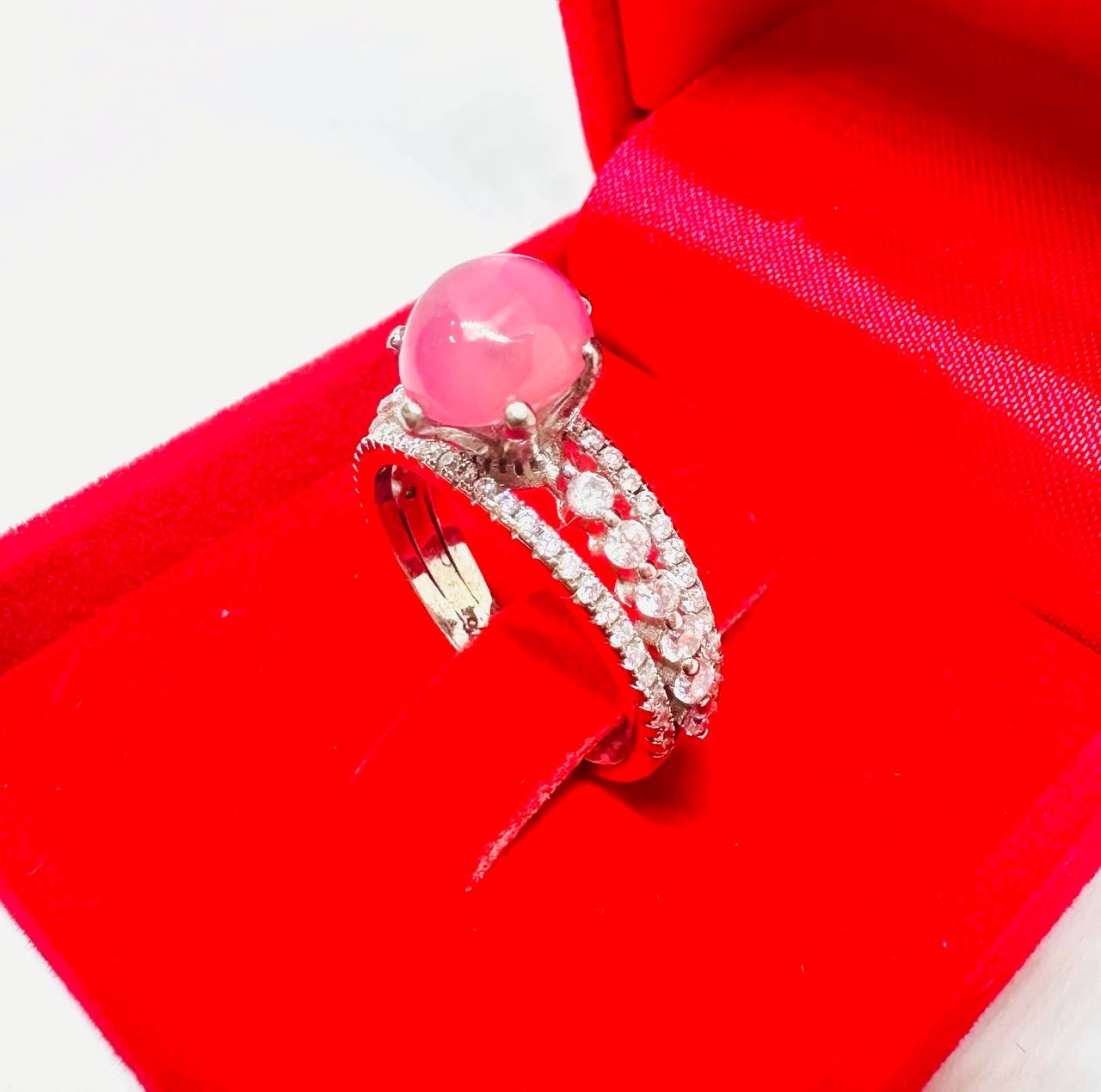
Your first natural gemstone ring should feel exciting, but it should not feel confusing. Ruby, sapphire, and tanzanite are all beautiful choices, yet they do not behave the same way on the hand. Some stones are easier for everyday wear. Some are more delicate. Some make a quiet statement, while others immediately become the center of an outfit.
This guide is written for the person who likes colored gemstones but does not want to buy only by a pretty photo. We will look at color, durability, setting style, budget, and real-life wear, so you can choose a ring that feels beautiful after the first week, not only on the day it arrives.
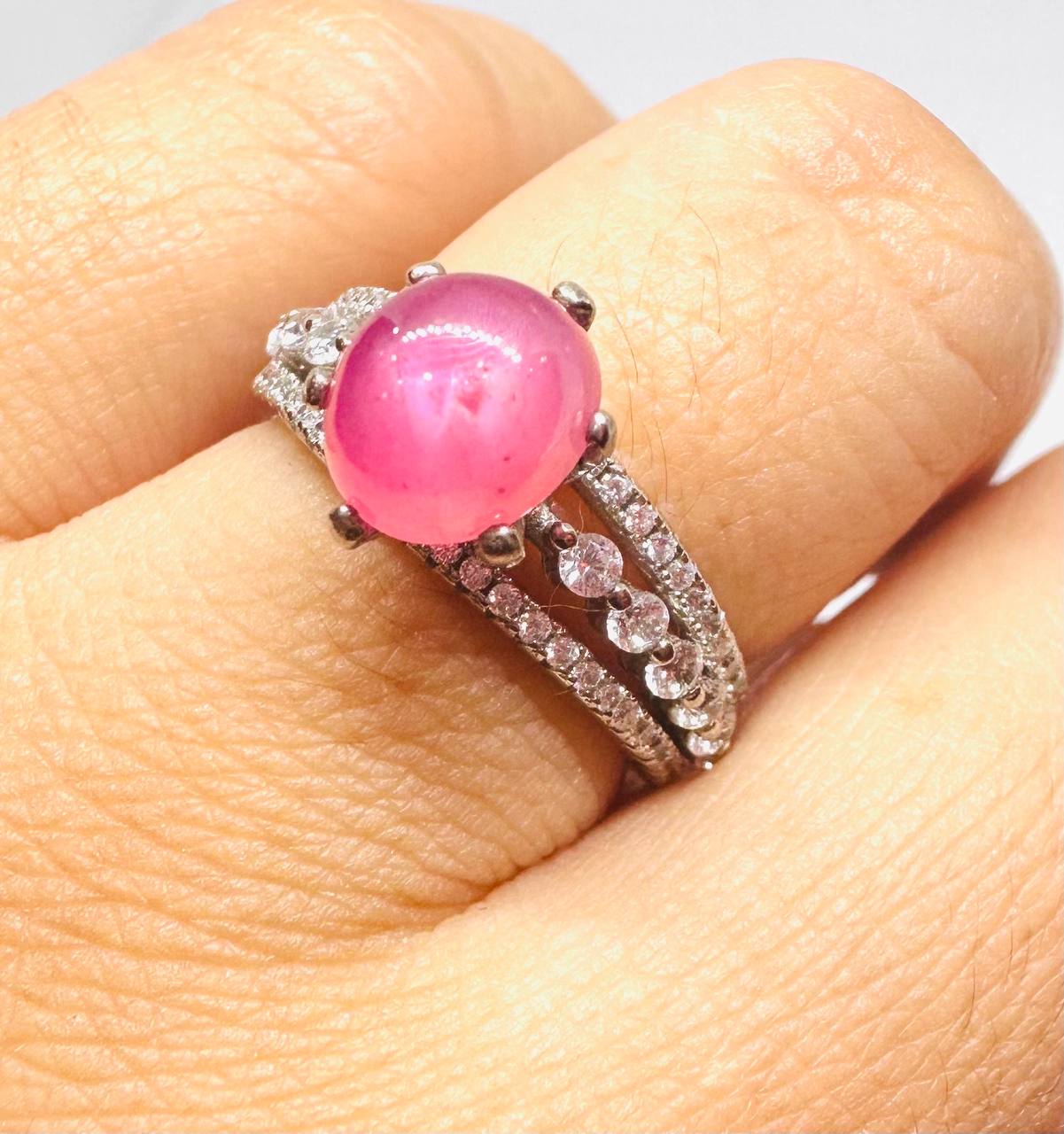
Start with the way you actually wear jewelry
Before choosing between ruby, sapphire, and tanzanite, ask a very practical question: how often do you want to wear the ring?
If you want a ring for daily wear, ruby and sapphire are usually the easiest starting points. Both belong to the corundum family, a mineral group known for strong wearability. That does not mean you should wear them while cleaning, lifting heavy objects, or using harsh chemicals, but they are more forgiving than many softer colored gemstones.
If you want a ring for dinners, weekends, travel photos, or special outfits, tanzanite becomes very interesting. Its blue-violet color feels unusual and elegant, but it asks for gentler handling. A tanzanite ring is best for someone who enjoys taking jewelry off before rough activities and storing it carefully.
Ruby: warm, romantic, and easy to recognize
Ruby is the red variety of corundum. It is loved because it carries warmth without needing a large stone. Even a modest ruby can look rich when the color is lively and the setting is balanced.
When choosing ruby, do not judge only by origin names. Burmese ruby, Mozambique ruby, Thai ruby, and African ruby can all appear in the market, but origin alone does not decide beauty. A smaller ruby with a pleasing red color and good presence can be more wearable than a larger stone that looks too dark on the hand.
Ruby is a strong choice if you like jewelry with emotion. It pairs beautifully with silver, white gold plating, yellow gold, and vintage-inspired settings. It also photographs well, which makes it useful for shoppers who want a piece that looks distinctive online and in real life.
Browse natural ruby jewelry if you want a first ring with color, warmth, and a classic gemstone identity.
Sapphire: the most versatile choice
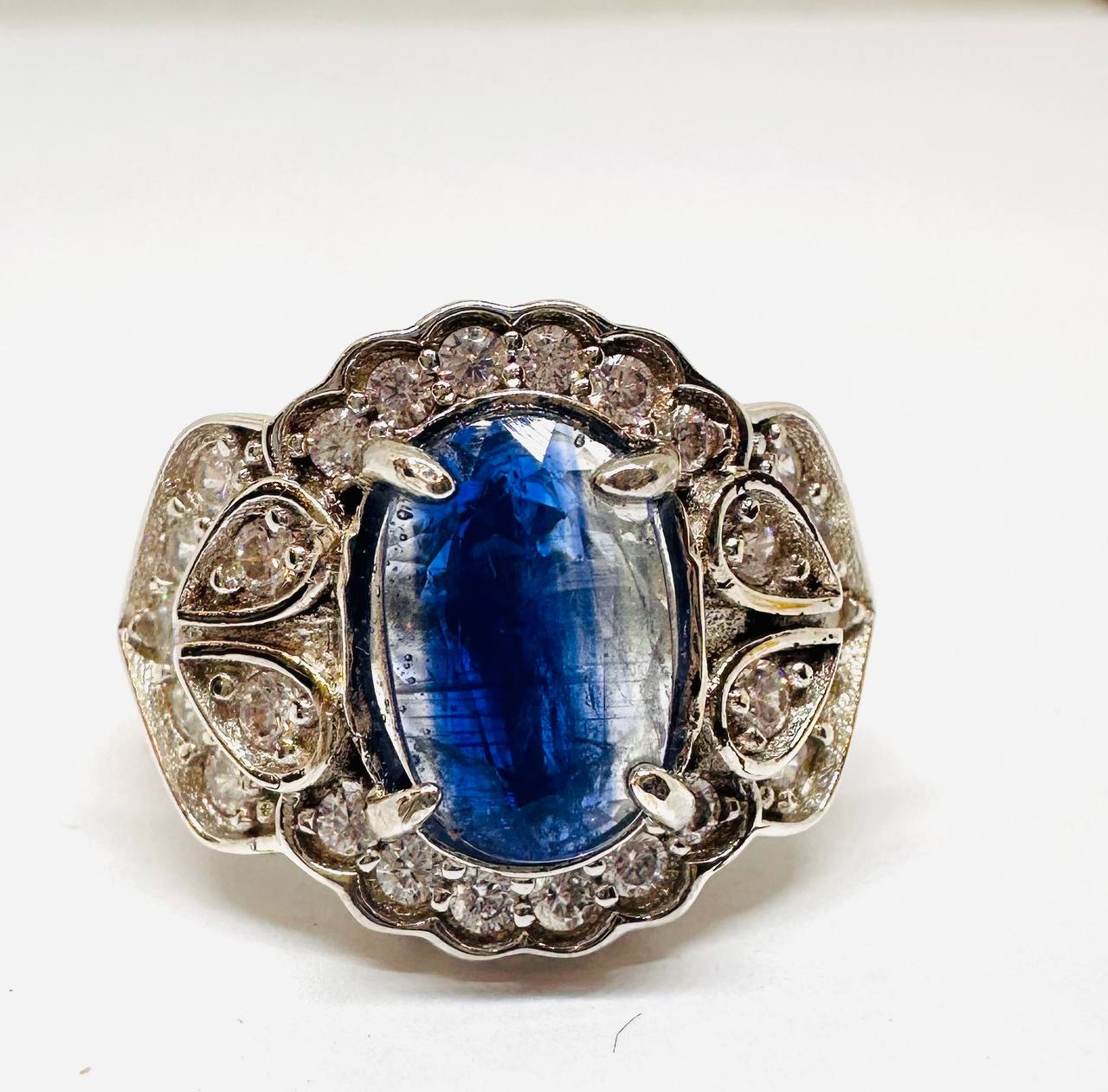
Sapphire is often imagined as deep blue, but sapphire actually appears in many colors. Blue sapphire is the classic choice, while yellow, pink, purple, and parti-color sapphires can feel more playful and personal.
For a first natural gemstone ring, sapphire is often the safest recommendation because it combines color with durability. It can look formal in a vintage halo, modern in a clean bezel, or soft and romantic as a cabochon. A sapphire ring can be worn with denim, office clothes, or evening outfits without feeling out of place.
Pay attention to tone. A blue sapphire that is too dark may look almost black indoors. A stone that is too pale may not give the strong color you expect. The best choice is not always the most expensive one; it is the stone that still looks alive in the light you actually live in.
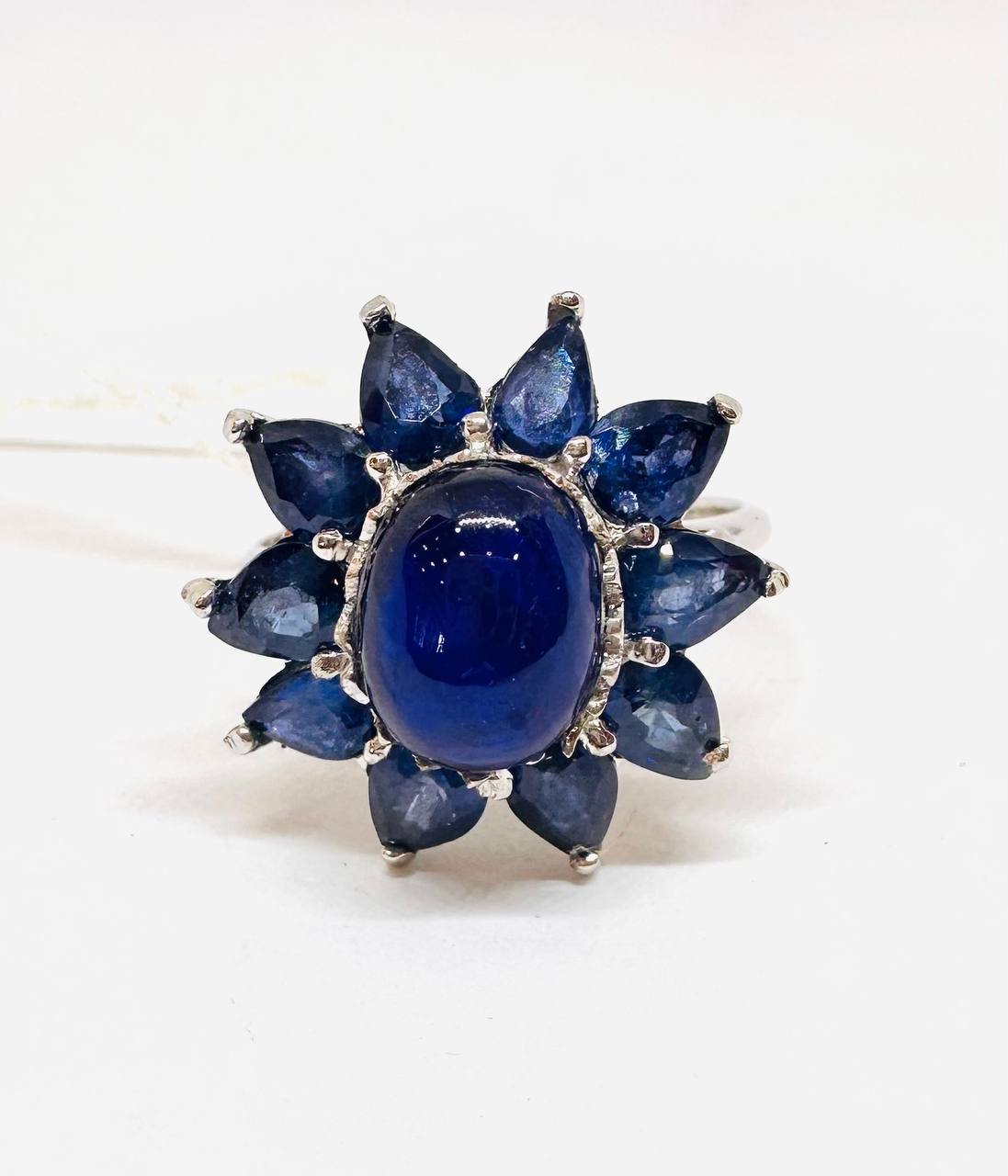
Explore sapphire rings and pendants if you want a gemstone that feels timeless, durable, and easy to style.
Tanzanite: blue-violet, refined, and more delicate
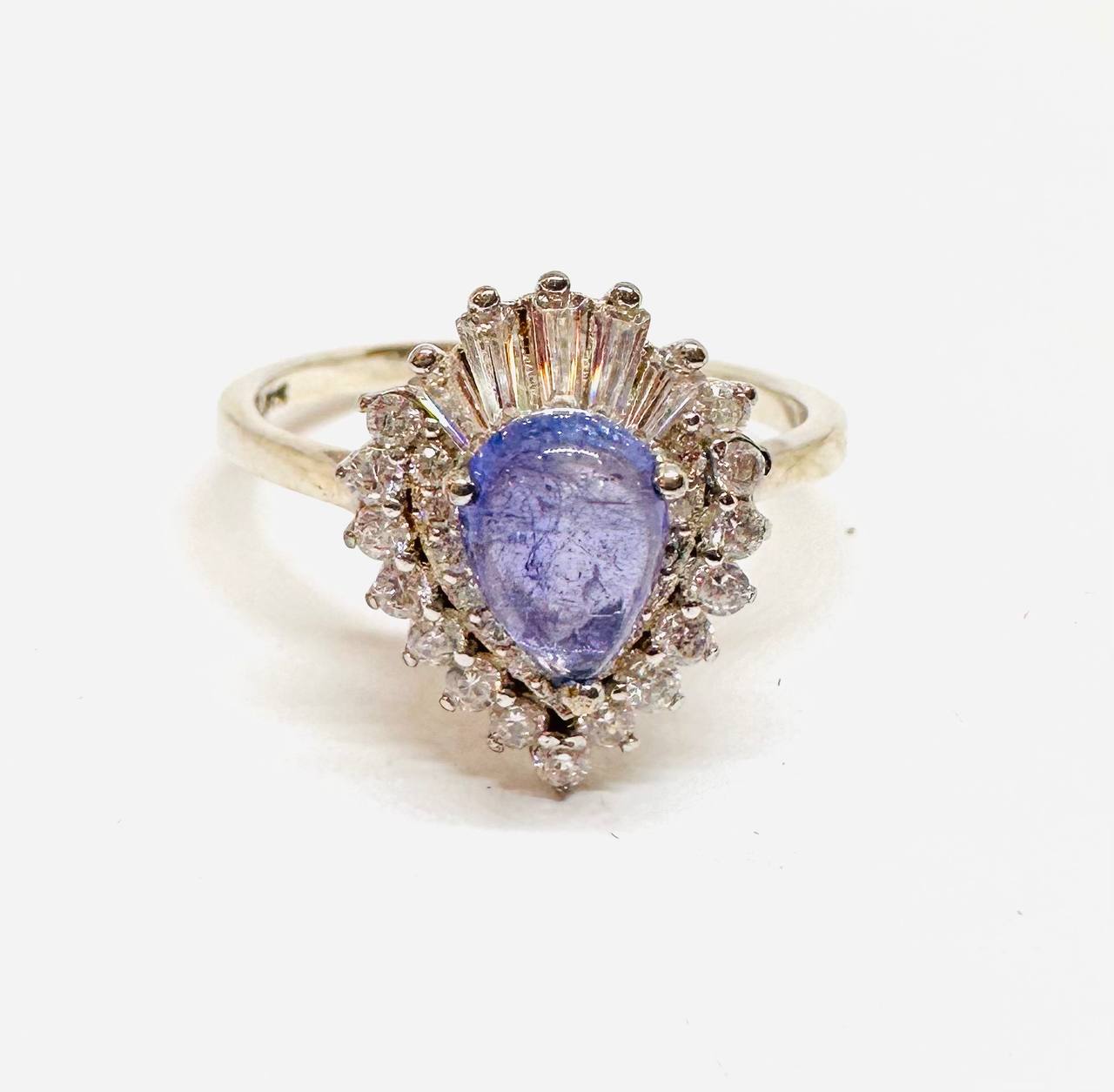
Tanzanite has a very different personality from ruby or sapphire. Its color sits between blue and violet, often changing with the light. That shifting quality is exactly why many people fall in love with it.
The trade-off is care. Tanzanite is not as hard as ruby or sapphire, so it should be protected from knocks and pressure. If you are choosing tanzanite as a ring, look for a setting that does not leave the stone too exposed, and avoid wearing it during chores, workouts, or travel days when your hands take more impact.
Tanzanite is a beautiful first gemstone if your goal is not rough daily wear, but a ring that feels elegant, unusual, and personal. It is especially lovely for someone who already owns simple everyday jewelry and wants something with a softer, more distinctive color story.
What about emerald?
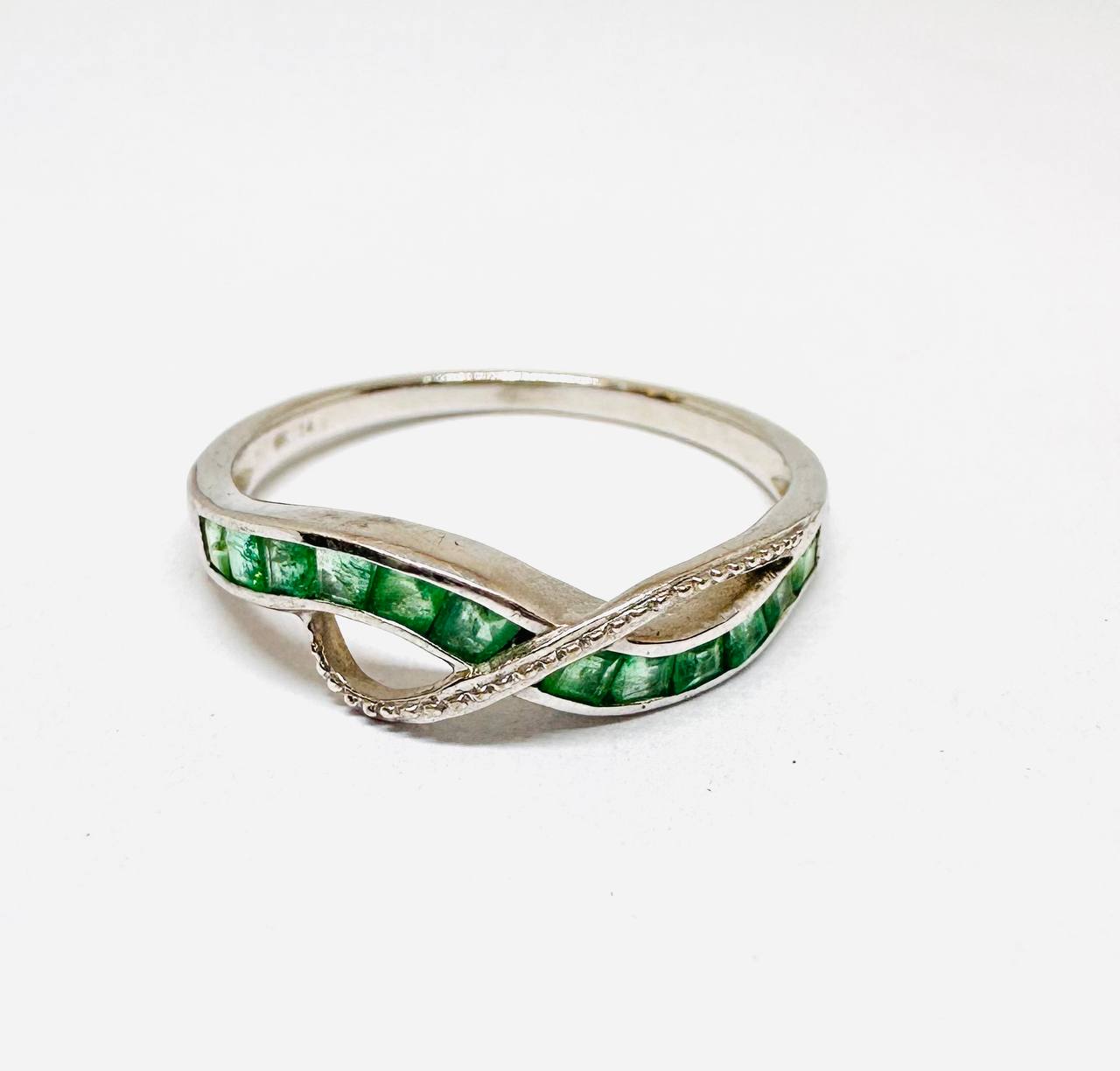
Emerald deserves a mention because many first-time gemstone buyers compare it with ruby and sapphire. Its green color is instantly recognizable, and natural emeralds often contain internal features that gem lovers call a garden.
Those inclusions are part of emerald's charm, but they also mean emerald needs more careful wear. It can be a wonderful ring stone, especially for people who love green, but it is not the best option for someone who never removes rings. If you choose emerald, choose the setting carefully and treat it with a little extra respect.
Choose the setting as carefully as the stone
The setting is not just decoration. It decides how secure the stone feels, how high the ring sits, and how easy it is to wear. A tall ring can look dramatic in photos, but it may catch on sleeves. A lower setting may feel more comfortable for daily life.
Prong settings let more light reach the gemstone, which can make faceted stones look brighter. Bezel or semi-bezel settings protect more of the stone's edge and often feel smoother. Halo designs add presence and sparkle, especially when the center stone is smaller.
If you are buying online, look at side photos, not only the front view. The side profile tells you whether the ring is low and comfortable or tall and more occasion-focused.
Do not ignore size, comfort, and lifestyle
A ring can be beautiful and still be wrong for your life. Wide bands often need a little more room than thin bands. Heavy top settings can spin if the size is too loose. If you live in a hot climate, your fingers may swell during the day, so comfort should be judged with that in mind.
For frequent wear, choose a ring that feels easy to put on in the morning. If the piece feels too precious, too tall, or too fragile for your routine, it may stay in the jewelry box. The best first gemstone ring is one you actually reach for.
How to compare prices without getting lost
Colored gemstone prices are affected by color, size, clarity, cutting, treatment, origin, metal, and craftsmanship. That is why two ruby rings can have very different prices even if they look similar at first glance.
A lower price is not automatically a problem, and a higher price is not automatically proof of quality. What matters is whether the product page gives clear information: gemstone name, metal, size, photos, whether the piece is one of a kind, and whether a certificate is available for higher-value stones.
At Halo Jewelry, items over US$150 can request an SGL certificate when available for that product. If a customer wants another laboratory certificate, they can contact us before purchase, and the additional laboratory cost is paid by the customer. This keeps the buying process clear without forcing every small piece to carry unnecessary paperwork cost.
A simple recommendation
Choose ruby if you want warmth, romance, and a classic red gemstone. Choose sapphire if you want the most practical first colored stone with many style options. Choose tanzanite if you want a more unusual blue-violet ring and you are comfortable giving it gentler care.
There is no single best gemstone for everyone. The right ring is the one that fits your hand, your wardrobe, and your daily habits. Start there, then let color do the rest.
Shop all handcrafted natural gemstone jewelry or use the search icon at the top of the site to look for ruby, sapphire, tanzanite, emerald, or your favorite color.
Frequently Asked Questions
Is ruby or sapphire better for an everyday ring?
Both ruby and sapphire are strong choices for frequent wear because they belong to the corundum family. The better choice depends on whether you prefer a warm red gemstone or a cooler blue or colored sapphire.
Can tanzanite be worn as a ring?
Yes, tanzanite can be worn as a ring, but it needs gentler care than ruby or sapphire. It is best removed before chores, workouts, travel days, or any activity that may knock the stone.
Should my first gemstone ring have a certificate?
For higher-value natural gemstones, a certificate can be helpful because it supports identification and treatment information. For smaller everyday pieces, clear product details and trustworthy photos are also important.