guide
How to Choose a Natural Gemstone Ring for Everyday Wear
A practical guide to choosing a natural gemstone ring you will actually wear: stone durability, settings, color, comfort, and everyday care.
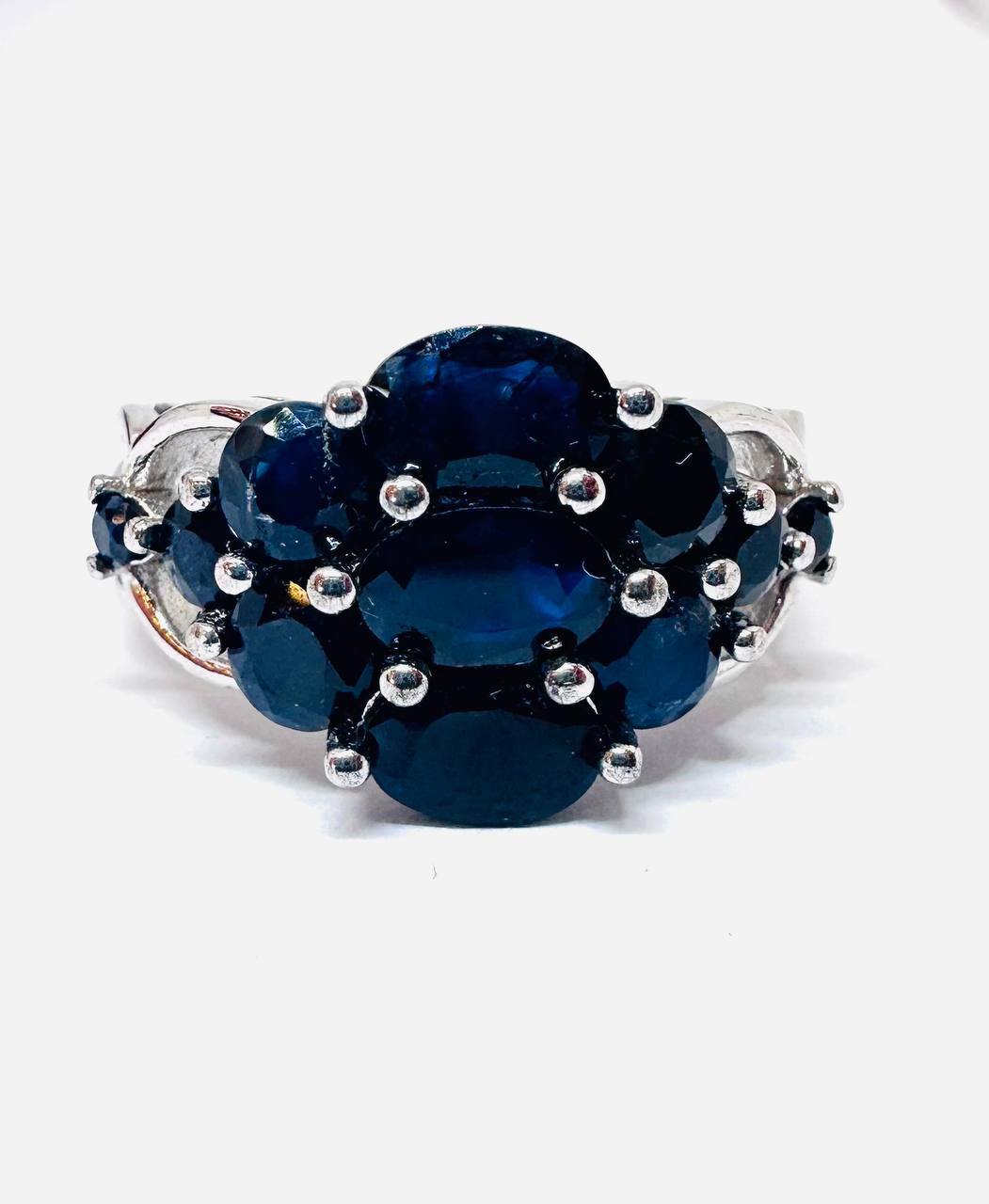
A ring that looks beautiful in a tray still has to live a real life. It will meet hand cream, kitchen light, airport security trays, desk edges, rain, dinner tables, and the small routines that make a piece feel like yours. That is why choosing a natural gemstone ring is not only about color. It is also about comfort, setting style, stone shape, and how much care you want to give it.
At Halo Jewelry, we handle a lot of colored stones in Bangkok, and the same question comes up again and again: which gemstone ring can I actually wear often? The answer depends less on a single “best” stone and more on matching the ring to the way you move through the day.
Start with your habits, not the gemstone name
Before comparing ruby, sapphire, emerald, opal, or moonstone, think honestly about how you use your hands. Do you wear rings while typing all day? Do you wash dishes with jewelry on? Do you travel often? Do you like stacking several rings, or do you prefer one statement piece?
For daily wear, a lower profile ring usually feels easier. The stone sits closer to the finger, catches less on clothing, and feels less formal. A taller cocktail ring can be wonderful, but it naturally asks for a little more attention. It is better for dinners, weekends, and days when the ring is allowed to be the main detail.
If you want a first gemstone ring that will not feel fussy, browse pieces with smooth settings in our gemstone rings collection. Look for silhouettes that are rounded, balanced, and comfortable from the side view, not only beautiful from the top.
Choose a stone with the right temperament
Gemstones have personalities. Some are wonderfully strong, some are softer, and some are best treated like silk: beautiful, but not careless.
Ruby and sapphire are excellent choices for frequent wear. They come from the corundum family and are known for durability, which is why they are often used in heirloom rings. A deep ruby can feel warm and classic; a blue or parti-color sapphire can feel quieter, cooler, or more unusual depending on the stone.
Emerald has a different character. Natural emeralds often have internal gardens, the fine inclusions that give them depth and life. They are loved for that very reason, but they benefit from gentler wear. An emerald ring can absolutely be worn often, especially in a protective setting, but it is not the stone I would choose for someone who never removes rings.
Opal, moonstone, turquoise, and similar softer stones are more poetic than practical. They can be perfect for a signature ring if you enjoy caring for your jewelry, but they should be kept away from hard knocks, cleaning products, and rough storage. Think of them as pieces you wear with awareness.
Pay attention to the setting
The setting is the small architecture that protects the stone. For everyday wear, the most useful details are often the least dramatic ones: a secure bezel, smooth edges, strong prongs, and a band that feels stable on the finger.
A bezel setting wraps metal around the stone’s edge. It can make a ring feel clean, modern, and easy to wear because the gemstone is less exposed. Prong settings can show more of the stone and let in more light, but they should be checked from time to time, especially if the ring is worn often.
For cabochon gemstones, which have a smooth domed surface instead of sharp facets, bezels are especially natural. The soft shape of the stone and the clean line of the metal work together. Many natural rubies, sapphires, opals, and chalcedonies look beautiful this way because the focus stays on color and glow rather than sparkle alone.
Color matters more than matching
A gemstone ring does not need to match everything in your wardrobe. In fact, it usually becomes more personal when it does not. A green stone with a white shirt, a ruby with denim, a smoky quartz with black linen: these small contrasts make colored gemstone jewelry feel lived-in rather than overly planned.
When choosing color, ask whether you want the ring to blend with your daily clothes or interrupt them a little. Blue sapphires and soft green stones tend to be easy to wear. Ruby, garnet, and spinel bring warmth. Opals and moonstones shift with the light, which makes them feel less like a fixed color and more like a mood.
If you are buying online, study every product photo and video. Natural stones change under daylight, warm indoor light, and shadow. A good product page should show enough angles for you to understand the stone, not only admire it.
Get the size and comfort right
A ring that is slightly uncomfortable will stay in the box. Wider bands usually need a little more room than thin bands. Tall rings may spin if they are too loose. Heavy rings can feel luxurious, but they should still sit securely.
If you are between sizes, consider the climate you live in. Fingers often swell in heat and feel smaller in cold weather. For a ring you plan to wear frequently, comfort over a full day matters more than how it feels for ten seconds when you first try it on.
Look for honesty in the product details
Natural gemstone jewelry should come with clear, plain information. You should be able to see the gemstone name, metal, size, weight when available, and whether the piece is one of a kind. If a stone has natural inclusions, that should not be hidden. In many colored gemstones, inclusions are part of the stone’s identity.
It is also worth knowing the difference between “natural” and “untouched.” A gemstone can be natural and still have traditional treatments. For example, many rubies and sapphires on the market are heated. That is common in the trade, but the important thing is transparency. If you are comparing prices, read the details carefully instead of judging by color alone. For more background, our guide on why ruby rings can be expensive explains how origin, color, treatment, and craftsmanship all affect value.
How to care for a ring you actually wear
The simplest care habit is also the most effective: take rings off before cleaning, swimming, lifting heavy things, gardening, or applying lotion. Store each ring separately so stones and metal do not scratch one another. A soft dry cloth is enough for most quick cleaning.
For stronger stones like ruby and sapphire, occasional gentle cleaning with mild soap and lukewarm water is usually fine. For softer or more sensitive stones such as opal, turquoise, or emerald, be more conservative. Avoid ultrasonic cleaners unless a jeweler has specifically confirmed that the stone and setting are suitable.
A good everyday ring feels easy to return to
The best everyday gemstone ring is not necessarily the hardest stone or the most expensive setting. It is the one you reach for without hesitation. It suits your hand, sits comfortably, carries a color you enjoy seeing, and feels honest in its materials.
Start with your daily rhythm. Then choose the gemstone, setting, and color that can live inside that rhythm. A natural gemstone ring should feel special, yes, but it should also feel welcome in ordinary moments. That is where jewelry becomes personal.
Frequently Asked Questions
Which natural gemstone is best for an everyday ring?
Ruby and sapphire are among the most practical choices for frequent wear because they are durable and suitable for secure ring settings. Softer stones such as opal or moonstone can be worn often, but they need gentler handling.
Are bezel settings better for daily wear?
Bezel settings are often a good choice for everyday gemstone rings because the metal protects the stone edge and creates a smoother profile. Prong settings can also work well when they are strong and checked regularly.
Can I wear a natural gemstone ring every day?
Yes, if the stone, setting, and size suit your routine. Remove the ring before cleaning, swimming, heavy work, or using lotions, and store it separately when not worn.